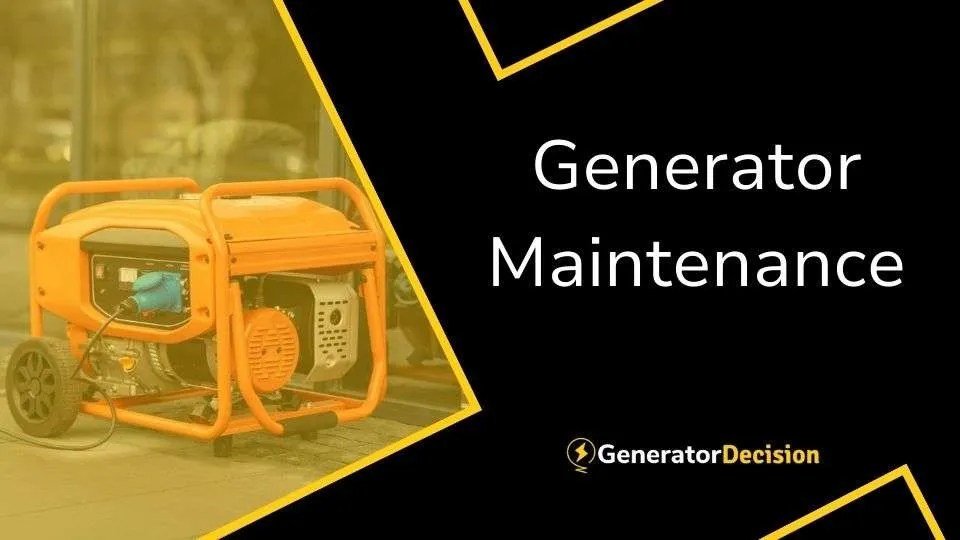
When the lights go out, your home generator isn't just a machine; it's a lifeline. It bridges the gap between chaos and calm, keeping your family safe and comfortable. But like any critical piece of equipment, a generator needs more than just a place to sit and wait for an emergency. Mastering Generator Operation, Maintenance, and Troubleshooting for Home Power is the key to ensuring it kicks into action reliably when you need it most.
This comprehensive guide isn't just about fixing what's broken; it's about prevention, understanding, and empowering you to extend your generator's life and guarantee its peak performance. Think of it as your essential manual, written to cut through the jargon and get straight to what matters, making you the confident guardian of your home's backup power.
At a Glance: Your Generator Power-Up Guide
- Routine Checks are Gold: Regularly inspect fuel, battery, wiring, and filters to catch small issues before they become big problems.
- Fuel Matters Most: Use fresh, ethanol-free gasoline for portable units; drain tanks for long-term storage or use fuel stabilizer.
- Battery Health is Key: A dead battery is the top reason for a "no-start" scenario. Keep it charged and terminals clean.
- Listen to Your Machine: Unusual noises, smoke, or error codes are signals; don't ignore them.
- Don't Overload: Operating within capacity prevents overheating and damage. Know your generator's limits.
- Safety First: Always disconnect power and fuel, ensure ventilation, and wear protective gear before any work.
- Know When to Call a Pro: Complex electrical or engine internal issues are best left to experts.
Why Your Generator Deserves Attention (and What Happens If It Doesn't)
Imagine a winter storm knocks out power for days. Your generator sits ready, but when you hit the start button, nothing happens. Frustrating, right? Generators are complex systems, blending mechanical, electrical, and fuel components, all working in harmony. Over time, these parts wear down, fuel degrades, and connections loosen. Timely troubleshooting and repair aren't just about fixing a current problem; they're critical steps to extend your generator's life, prevent future headaches, and ensure it's a reliable workhorse when an outage strikes. Ignoring minor quirks can escalate quickly, turning a simple fix into an expensive overhaul, or worse, leaving you in the dark.
Understanding the Generator's Language: Common Problems Explained
Before you can fix a problem, you need to understand why it's happening. Most generator issues fall into a few key categories, often signaled by specific symptoms.
Fuel Follies: When Your Generator Thirsts for the Right Stuff
The fuel system is often the culprit for a generator's refusal to start or run poorly.
- Contamination, Stale, or Insufficient Fuel: This is the most common and easily preventable issue. Fuel, especially gasoline, degrades surprisingly quickly—within 30 days. Stale fuel clogs carburetors and fuel lines, leading to a "no-start" or sputtering engine. Contaminants like water or debris from a dirty fuel can will cause similar issues. Insufficient fuel, of course, means no power at all.
- Ethanol's Evil: Many modern gasoline formulations contain ethanol, which is hygroscopic (absorbs water) and corrosive to the rubber and plastic components in older small engines. Over time, ethanol-blended fuels can damage carburetors, fuel lines, and seals, leading to fuel leaks and poor performance.
- Clogged Lines or Filters: Rust, debris, or degraded fuel can clog the fuel filter and lines, restricting the flow of fuel to the engine. This starves the engine, causing it to run rough, lose power, or fail to start entirely.
Battery & Electrical Hiccups: The Spark of Life
If your generator has an electric start, its electrical system is paramount.
- Battery Degradation or Poor Connections: A weak or dead battery is a leading cause of starting failure. Batteries naturally degrade over time, especially if not maintained or charged periodically. Corroded or loose battery terminals also prevent the necessary current from reaching the starter motor.
- Faulty Spark Plugs: Spark plugs ignite the fuel-air mixture. Over time, they can foul with carbon deposits or wear down, leading to weak or no spark, misfires, and difficulty starting.
- Defective Ignition Coils: The ignition coil transforms the battery's low voltage into the high voltage needed for the spark plug. A faulty coil means no spark, and thus, no engine start.
- Blown Fuses: Fuses protect the electrical system from overcurrents. A blown fuse in the control panel or charging circuit can prevent the generator from starting, producing power, or charging its battery.
Mechanical Murmurs: Wear and Tear Takes Its Toll
Internal mechanical components are subject to friction and stress.
- Worn Brushes or Damaged Alternator: In the alternator (the part that generates electricity), carbon brushes conduct electricity to the rotor. If these wear down or the alternator itself is damaged, the generator may produce no power or very low power.
- Motor Bearing Problems: Bearings allow rotating parts to spin smoothly. Worn motor bearings can cause excessive noise, vibration, and friction, leading to overheating, reduced efficiency, and eventual motor failure.
- Engine Internal Damage: While less common for routine issues, severe problems like worn piston rings, damaged valves, or a bent crankshaft can lead to low compression, excessive oil consumption, poor power output, or complete engine failure.
Environmental & Load Limits: When Conditions Aren't Right
Your generator's surroundings and how you use it significantly impact its performance.
- Lack of Proper Ventilation and Cooling: Generators produce significant heat. Without adequate ventilation, they can overheat, leading to automatic shutdowns, reduced lifespan, and potential damage to internal components.
- Excessive Load: Trying to power too many appliances or devices that draw more wattage than your generator's rated capacity will overload it. This causes the generator to struggle, possibly overheat, trip breakers, or even shut down abruptly to protect itself from damage.
- Dusty or Humid Conditions: Operating or storing a generator in harsh environments accelerates wear. Dust can clog air filters and cooling fins, leading to overheating. Humidity can corrode electrical components and promote rust in the fuel tank.
Your Step-by-Step Troubleshooting Toolkit: When Silence Isn't Golden
When your generator acts up, a methodical approach saves time and prevents further damage. Here’s a troubleshooting framework to follow.
The Initial Scan: Visual Inspection
Before grabbing tools, give your generator a thorough look-over. This first step often reveals the simplest fixes.
- Fuel Level: Is there enough fuel? Don't just eyeball it; sometimes gauges are inaccurate.
- Battery Condition: Are the terminals clean and tight? Is the battery itself swollen or cracked?
- Wiring: Check all visible wiring for loose connections, fraying, or rodent damage.
- Filters: Is the air filter excessively dirty?
- Physical Damage: Look for any obvious leaks (fuel, oil), dents, or broken parts.
- Switch Positions: Confirm the fuel valve is open, the choke is set correctly for starting (if applicable), and the engine switch is in the "On" or "Start" position.
Fueling Your Investigation: Quality & Flow Check
If the generator starts but runs poorly, or not at all, the fuel system is your next focus.
- Drain Old Fuel: If the fuel has been sitting for more than 30 days, drain it completely. Dispose of old fuel properly.
- Inspect and Replace Fuel Filters: Locate the inline fuel filter (if present) and visually inspect it. If it looks dirty or clogged, replace it.
- Clean the Carburetor: This is a common solution for stale fuel issues. If you're comfortable, remove the carburetor float bowl and spray carburetor cleaner into the jets. For significant clogging, a full carburetor disassembly and cleaning might be needed, or consider a replacement if it's badly corroded.
Sparking Life: Battery & Electrical Component Tests
For electric start issues or no power output, delve into the electricals.
- Test Battery: Use a multimeter to check the battery voltage. A fully charged 12V battery should read around 12.6V or higher. If it's low, try charging it. If it doesn't hold a charge, replacement is likely needed.
- Test Spark Plugs: Remove the spark plug(s) and inspect for fouling. If it's black, oily, or heavily carbonized, clean or replace it. To test for spark, reattach the plug wire, ground the plug against a metal part of the engine (away from the spark plug hole), and briefly attempt to start the engine. Look for a strong, blue spark. Always be careful to avoid electric shock.
- Check Fuses: Locate the fuse box or individual fuses (often near the battery or control panel) and visually inspect them for a broken filament. Test with a multimeter for continuity if unsure. Replace any blown fuses with the correct amperage.
Breathing Easy: Air Filters & Cooling System
Overheating or poor performance can stem from these areas.
- Clean or Replace Air Filters: A clogged air filter restricts airflow, making the engine run rich and lose power. Clean reusable filters with soap and water (ensure completely dry before reinstalling) or replace paper filters.
- Verify Radiator Fluid Levels and Cooling Fans: For liquid-cooled generators, check the coolant reservoir level and top up with the appropriate coolant/antifreeze mixture. Ensure cooling fans spin freely and aren't obstructed. Clean any debris from the cooling fins.
Powering Up Right: Assessing Load Conditions
If your generator runs but isn't producing adequate power or trips breakers, consider the load.
- Disconnect Non-Essential Devices: Unplug everything from the generator. Start by plugging in one small, known-good device and see if it powers up. Gradually add more devices, monitoring the generator's performance.
- Measure Output Power: If you have a multimeter with an AC voltage setting, you can test the receptacles for proper voltage output (e.g., 120V). If voltage is low or absent, it could indicate an alternator or voltage regulator issue.
Decoding the Beeps: Error Codes & User Manuals
Modern generators often come with diagnostic displays.
- Consult Error Codes: If your generator has a digital display showing error codes, look up the code in your owner's manual. These codes are specifically designed to point you towards the exact problem.
- User Manual is Your Bible: Don't underestimate the wealth of information in your generator's user manual. It contains model-specific troubleshooting steps, maintenance schedules, and parts diagrams unique to your unit.
The Proactive Path: Essential Maintenance for Longevity
Routine maintenance is your best defense against unexpected breakdowns. A little effort now saves a lot of frustration later.
Fuel System Fortitude: Storage & Cleaning
- Use Fresh, Ethanol-Free Gasoline: For portable generators, always use fresh, high-octane gasoline that is non-ethanol. If you must use ethanol-blended fuel, add a fuel stabilizer specifically designed to combat ethanol issues every time you fill up.
- Drain Fuel Tanks for Long-Term Storage: If your generator will be idle for over 30 days, it's best to drain the fuel tank and run the carburetor dry. This prevents stale fuel issues. Alternatively, fill the tank completely and add a quality fuel stabilizer before storage.
- Clean Carburetors Regularly: Even with stabilized fuel, a seasonal carburetor cleaning (or at least inspection) can prevent buildup.
Battery Brilliance: Charge & Clean
- Charge Batteries Periodically: If your generator has an electric start battery, connect it to a trickle charger or maintainer, especially during periods of inactivity. This prevents sulfation and keeps the battery ready.
- Inspect and Clean Terminals: Regularly check battery terminals for corrosion (a white or greenish powdery substance). Clean them with a wire brush and a mixture of baking soda and water. Apply a thin layer of dielectric grease or battery terminal protector to prevent future corrosion.
Sparking Reliability: Plugs & Wiring
- Replace Spark Plugs Annually or After 100 Hours: This is a general guideline. Your manual might specify different intervals. A fresh spark plug ensures efficient combustion and easier starting.
- Check and Secure All Wiring Connections: Vibration can loosen connections over time. Periodically inspect all visible wiring, ensuring terminals are tight and insulation is intact.
Cooling Comfort: Filters & Fluid
- Keep Air Vents Free of Dust and Debris: Regularly clean the exterior of your generator, paying special attention to air intake and exhaust vents. Blocked vents restrict airflow, leading to overheating.
- Replace Air Filters at Recommended Intervals: A clean air filter is crucial for engine health and performance. Consult your manual for replacement schedules, but generally, this is an annual task or more often if used in dusty conditions.
- Monitor Coolant Levels and Add Antifreeze: For liquid-cooled generators, check the coolant reservoir regularly. Use the specific coolant type recommended by the manufacturer and ensure it contains antifreeze if operating in cold climates.
- For tips on how to prepare your entire setup to handle various seasons, you might find more comprehensive generator safety tips helpful.
Beyond the Basics: Tips for a Longer, Healthier Generator Life
Beyond routine fixes, these habits actively prolong your generator's working life.
- Perform Scheduled Maintenance: The manufacturer's manual isn't just a suggestion; it's a roadmap to longevity. Adhere to all recommended service intervals for oil changes, filter replacements, and system checks.
- Operate Within Its Rated Capacity: Never push your generator beyond its design limits. Constantly overloading it strains the engine and alternator, leading to premature wear and failure. If you consistently need more power, it's time to consider choosing the right generator that matches your true power needs.
- Store Generators in Clean, Dry Environments: Protect your generator from the elements. Excessive dust, humidity, rain, or direct sunlight can corrode components, damage electrical systems, and degrade fuel. A garage or shed is ideal.
- Run the Generator Monthly for 20-30 Minutes: This "exercise" keeps internal components lubricated, circulates fuel, and helps identify potential issues before an actual outage. Always run it under a light load (e.g., a few lights or a fan) to prevent "wet stacking" (carbon buildup).
- Keep Detailed Maintenance Records: Document every oil change, filter replacement, and repair. This helps you track service intervals, diagnose recurring issues, and provides valuable history if you ever need professional service or decide to sell the unit.
For those wondering about the type of generator that best suits their home's specific energy profile, exploring the differences between portable vs. standby generators can provide clarity and guide your initial setup decisions.
When to Call in the Cavalry: Knowing Your Limits
While much troubleshooting and maintenance can be DIY, some issues demand professional expertise. Attempting repairs beyond your skill level can lead to costly damage, void warranties, or, more importantly, create significant safety risks.
- Complex Electrical System Failures: If your generator isn't producing power despite good fuel and engine operation, and you've checked the basics (fuses, outlets), it could be an issue with the alternator, automatic voltage regulator (AVR), or transfer switch. These components require specialized knowledge and diagnostic tools.
- Engine Internal Damage: Problems like knocking sounds, excessive smoke, significant oil leaks, or loss of compression often indicate internal engine damage (e.g., piston, valve problems). These repairs require engine disassembly and precision work.
- Persistent Overheating Unresponsive to Basic Fixes: If your generator continues to overheat despite clean air filters, clear cooling fins, and proper fluid levels (for liquid-cooled units), there might be a more serious internal cooling system blockage or engine issue.
- Generator Control Panel Glitches/Software Errors: Modern generators, especially standby models, have sophisticated control panels with onboard diagnostics. If these display persistent errors or behave erratically, it often points to a complex electronic problem that requires manufacturer-specific tools and software to diagnose and reset.
- If you're dealing with advanced wiring considerations or questions about integrating your generator's power directly into your home's electrical panel, remember there are specific guidelines and safety protocols for how to wire generators to homes, which is usually a job for a certified electrician.
Safety First, Always: Staying Safe During Repairs
Working on a generator involves fuel, electricity, and moving parts—a trifecta of potential hazards. Always prioritize safety.
- Disconnect the Battery and Turn Off the Fuel Supply: Before performing any maintenance or troubleshooting, disconnect the battery's negative terminal (if applicable) and close the fuel valve. This prevents accidental starts and fuel spills.
- Work in Well-Ventilated Areas: Never run a generator or work on its fuel system in an enclosed space. Carbon monoxide is odorless and deadly. Ensure ample fresh air when dealing with fuel fumes.
- Wear Protective Gloves and Safety Goggles: Fuel, oil, and cleaning agents can irritate skin and eyes. Moving parts and flying debris pose eye hazards.
- Keep a Fire Extinguisher Nearby: Generators contain flammable liquids. A small ABC-rated fire extinguisher should always be within reach when working on your unit.
- Ensure the Generator is on a Stable Surface: Prevent accidental tipping or movement by placing the generator on a flat, level, and stable surface when performing maintenance.
Empowering Your Power: Final Thoughts on Generator Mastery
Your home generator is an investment in peace of mind. By embracing routine maintenance, understanding basic troubleshooting, and knowing when to call a professional, you're not just taking care of a machine; you're safeguarding your home's resilience. The confidence that comes from a well-maintained, reliable power source is invaluable when the unexpected occurs. Stay prepared, stay safe, and keep your generator purring.